Exhibiting in the US: A Field Guide for International Manufacturers
Key takeaways
- US shows run on an exclusive-contractor model: material handling, rigging, and electrical are purchased from the show's official contractor at published rates, not handled by your own stand builder.
- Material handling, or drayage, is billed by the hundredweight; industry cost guides commonly put major-venue rates in the range of $70 to $200 per hundred pounds.
- Coordinating from Europe or Asia costs close to a business day per problem; a US-based partner who answers the phone during show hours is the single biggest fix.
- Consumables such as samples, literature, and giveaways cannot travel on an ATA Carnet, so producing them in the US removes an entire category of customs risk.
- For one to three US shows a year, building or renting a booth domestically usually beats shipping a stand across the ocean.
Every spring and fall, manufacturing companies from Germany, Japan, Korea, Italy, and a dozen other countries land at US trade shows and discover that almost nothing works the way it does at home. The halls look familiar. The rulebook is not. We coordinate US shows for international manufacturers — chemicals, industrial gases, components, medical devices — and the same surprises repeat often enough that they are worth writing down.
Why a US show floor works nothing like a European hall
The core difference is control. In most European venues you appoint your own stand builder and handle your own materials; at a US show, an exclusive general contractor controls the docks, the freight, and much of the labor, and you buy those services at published rates.
The show organizer appoints a general services contractor — the exclusive or official contractor — and certain services can only be purchased from them: material handling, rigging, electrical, plumbing, cleaning. There is no bidding this out. You order everything through the show services portal, by the show's deadlines, and orders placed after the discount deadline are billed at premium rates.
Then there is material handling, better known as drayage: the fee for moving your freight from the dock to your booth and back out again, billed by weight per hundred pounds. Industry cost guides commonly put major-venue rates in the range of $70 to $200 per hundredweight. European exhibitors are used to a stand builder trolleying materials in from the truck for little or nothing; in the US, that same movement is an exclusive service and a real budget line.
Labor is the other adjustment. At many US venues, union jurisdictions dictate who may assemble your booth, run power to it, and hang your sign — and the rules change city by city. Chicago, New York, and Philadelphia are not Las Vegas, and none of them are Hannover. Your own team generally cannot build the stand themselves the way they might at a European fair.
The timezone and distance tax
Coordinating a US show from Europe or Asia costs close to a full business day on every problem, because show-site issues surface during US working hours — the middle of your night.
Order deadlines are the first casualty. Show services discounts, advance warehouse cutoffs, and target move-in dates all land in US time zones. A deadline that closes at 5 p.m. in Chicago closes at midnight in Frankfurt and 6 a.m. in Seoul, and missing one by a night's sleep means paying the higher rate for the rest of the cycle.
Freight problems are worse, because they bill by the hour. A truck flagged at the marshaling yard, a crate held over a paperwork mismatch, a damaged graphic discovered at Monday move-in — each needs someone local, awake, and authorized to decide. When headquarters is seven or thirteen hours ahead, a small snag at 2 p.m. show time waits overnight for an answer, and idle labor and overtime accumulate while it waits.
What you actually need on the ground
Four things close most of the gap: a US address for freight, local production capacity, a person who answers the phone during show hours, and someone handling your booth staff's practical needs.
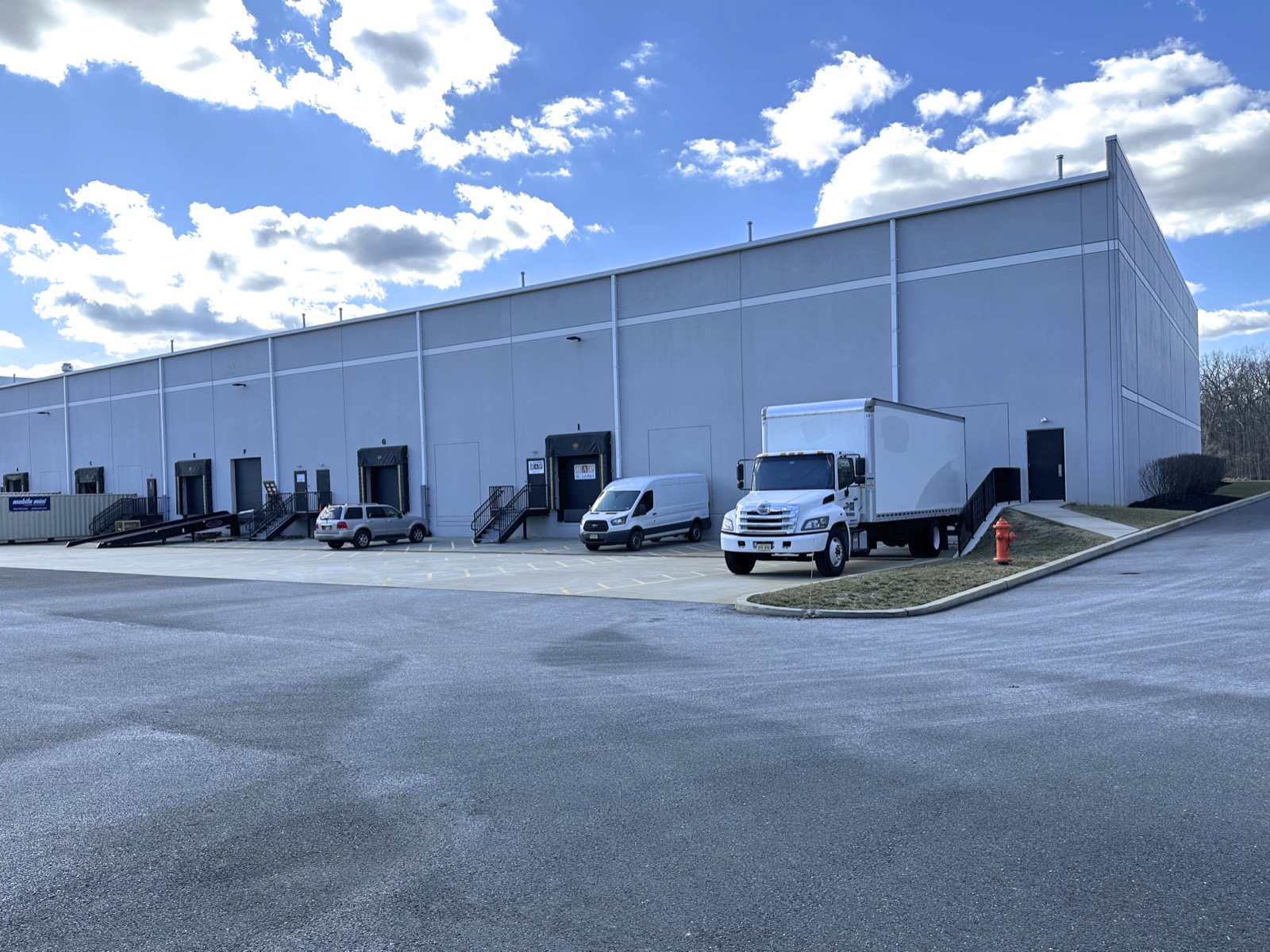
- A US address for freight and storage. Advance warehouses receive freight only within a set window; a domestic warehouse lets your exhibit, samples, and literature land early, get inspected, and ship to the show consolidated and on target — then stay in the country between shows.
- Local fabrication and printing. When a graphic panel arrives damaged or a late regulation change forces new artwork, a partner with large-format printing near the venue reprints it overnight. Air-freighting a replacement from Stuttgart is not a plan.
- A phone that gets answered in US business hours. Marshaling yards, show contractors, and carriers do not wait for Europe to wake up. Someone with authority to spend small money on small problems saves large money.
- Booth staff support. Your engineers are flying in to sell, not to chase electrical orders, lead retrieval logins, badge issues, and catering. Somebody stateside has to own that list.
Customs and freight for international exhibits
Most exhibit properties enter the US as temporary imports, and the ATA Carnet is the standard instrument: an international customs document that lets exhibit goods and professional equipment enter duty-free, provided everything listed leaves the country again.
A carnet is generally valid for a year and is accepted across dozens of countries, which suits a multi-stop show tour. The discipline it demands is inventory: everything on the document must be accounted for on the way out, so it fits booth structures, machinery, and demo units — things you take home. This is a high-level sketch, not customs advice; an exhibition-freight forwarder or customs broker should structure your specific entry.
Ship your booth across the ocean, or build it here?
For most international exhibitors doing one to three US shows a year, building or renting in the US beats shipping a European-built stand across the ocean.
Ocean freight is the affordable way to move a booth, and it ties your properties up for a month or more in each direction, plus customs clearance on both ends. Your stand is unavailable for home-market shows while it floats, and any damage or delay is discovered an ocean away from the shop that built it.
There are also compatibility frictions people underestimate: US venues run different electrical standards, work in imperial dimensions, and enforce their own fire and rigging codes. A stand engineered for Düsseldorf often needs rework before it passes a US show inspection. Building or renting domestically means the exhibit is engineered for the rules it will actually live under — and it can sleep in a US warehouse between shows, which makes your second and third shows far simpler than your first.
How to evaluate a US partner
Ask three questions: who actually fabricates the work, where the warehouse sits relative to your show circuit, and how many companies you are really hiring.
Many exhibit firms are brokers: they sell the project and subcontract the fabrication, printing, freight, and labor. That can work, but every subcontract adds a margin and a handoff, and when something breaks at 7 a.m. on move-in day you want one accountable party, not a chain of five. In-house fabrication and printing means the people who built your booth are the people who fix it.
Geography matters the same way it does at home. If your US circuit runs through the Northeast — New York, Atlantic City, Philadelphia — a warehouse within an hour of those halls means consolidated shipments, precise delivery windows, and storage between shows. If your shows cluster near the Gulf Coast or on the West Coast, ask the same question about Texas or California.
This is the work we have done since 1996. HAP Marketing is headquartered in Tinton Falls, New Jersey, within an hour of the Javits, Atlantic City, and Philadelphia convention corridor, with offices and warehousing in Miami, Texas, and California. Exhibit fabrication, large-format printing, and kitting happen in-house, and we coordinate international freight, exhibit storage between shows, and I&D for manufacturers exhibiting far from home. If your next US show is being run from another continent, that is exactly the situation we are built for.
Frequently asked questions
Can a foreign company exhibit at US trade shows?
Yes. There is no requirement to have a US entity to purchase booth space at a US trade show. What you do need is a plan for the practical side: temporary import of your exhibit goods, a US address for freight, someone stateside to coordinate with the show's contractor during US business hours, and a stand that meets US electrical and structural rules.
Should we ship our exhibit to the US or build one there?
For most international exhibitors, building or renting in the US wins. Ocean freight ties your booth up for a month or more each way, customs adds risk on both ends, and stands engineered for European venues often need rework for US power and fire codes. Shipping mainly makes sense for specialized machinery that cannot be sourced domestically.
What is an exclusive contractor at US trade shows?
The exclusive, or official, general services contractor is appointed by show management and holds sole rights to certain services on the show floor — typically material handling, rigging, electrical, plumbing, and cleaning. Exhibitors must buy those services from that contractor at published rates through the show services portal. The model has no real equivalent at most European venues.
How far in advance should international exhibitors plan a US show?
Six to nine months is comfortable, and a year is better for a first US show. Ocean freight needs a month or more in transit, carnets and customs paperwork take weeks to arrange, show services discount deadlines fall one to two months before move-in, and fabrication or rental slots for the biggest shows fill earliest.